

Bodywork by Bronya
Privacy Policy
Bodywork by Bronya
Structural Integration


What is Structural Integration?
Structural Integration is a whole-body approach to bodywork developed by Ida Rolf and further refined through the work of Tom Myers. While it shares similarities with remedial massage, its primary focus is on posture, movement, and the long-standing compensation patterns the body develops over time in response to pain, injury, stress, and daily activities.
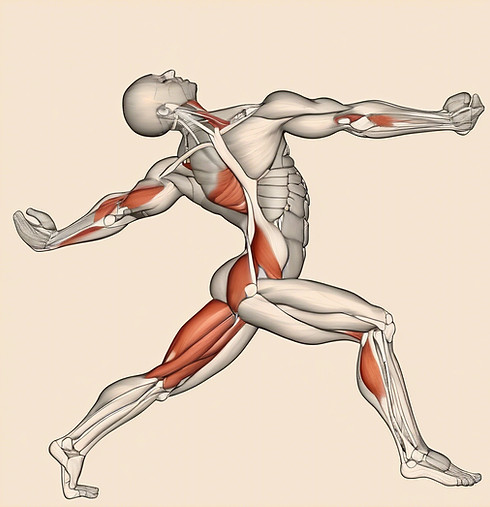
This approach works with the body’s connective tissue system — particularly the fascia, the web-like tissue that surrounds and supports muscles, joints, organs, and structures throughout the body. When fascia becomes tight, restricted, or compensatory, it can contribute to pain, imbalance, reduced mobility, tension, and discomfort.
Rather than only focusing on where symptoms are felt, Structural Integration aims to address the underlying patterns contributing to dysfunction and imbalance throughout the body. By helping the body reorganise and realign more efficiently, this work can create greater space, ease, movement, comfort, and overall wellbeing.
My approach combines Structural Integration principles with remedial massage, myofascial bodywork, nervous system support, movement awareness, and a holistic understanding of how the body compensates and adapts over time.
How is Structural Integration Different to Remedial Massage?
While Structural Integration shares similarities with remedial massage, it takes a broader whole-body approach focused on posture, movement patterns, fascia, and the long-standing compensations the body has developed over time.
Rather than only treating the area that hurts, Structural Integration explores how different parts of the body may be contributing to imbalance elsewhere. For example, neck tension may relate to the pelvis, feet, breathing patterns, jaw tension, old injuries, or long-standing postural habits.
During a session, your therapist will observe the patterns your body has created and assess how your body moves and functions as a connected system. You may be guided through specific movements to help identify what is functioning well and what may be stuck in dysfunction. These movements are an important part of the process, helping facilitate release while supporting the re-education and integration of new movement patterns within the body.
Structural Integration sessions may include:
-
Postural and movement assessment
-
Myofascial release techniques
-
Breath and body awareness
-
Nervous system regulation
-
Movement cues and client participation
-
Working with fascia and structural relationships throughout the body
There may also be moments where you step off the table and take a brief walk or reassess movement. This allows you to feel and experience the changes happening within your body in real time, bringing awareness to patterns or areas you may not have previously noticed. These moments help your body begin adapting to the changes and reinforce new patterns of movement and support.
The intention is not simply temporary relief, but helping the body reorganise into greater balance, ease, movement, and comfort over time.
What is Fascia?
Fascia is a continuous web of connective tissue that surrounds and connects every muscle, bone, organ, nerve, and structure throughout the body.
When fascia becomes restricted or dehydrated due to injury, stress, surgery, emotional holding patterns, repetitive movement, or poor posture, tension patterns can develop throughout the body.
Because everything is connected through fascia, the area experiencing pain is not always the area creating the problem.
This is why a whole-body approach can often create deeper and longer-lasting change.
What Can Structural Integration Support?
Structural Integration may support:
-
Chronic muscle tension
-
Poor posture
-
Neck and shoulder tightness
-
Back, hip, and pelvic discomfort
-
Headaches and jaw tension
-
Restricted movement and mobility
-
Compensation patterns within the body
-
Stress-related tension
-
Nervous system dysregulation
-
Recovery from repetitive strain
-
Improved body awareness and movement efficiency
-
Feeling more grounded, aligned, and connected within the body
Many clients also notice changes in breathing patterns, energy levels, emotional holding patterns, and overall body awareness as tension patterns begin to unwind.
Some common questions about a session:
What should I wear?
Please wear underwear, a two-piece bathing suit, or loose-fitting gym clothes as you'll be required to get on & off the table, walk around the clinic, & perform certain movements. This allows the therapist to observe your body & the patterns that are changing throughout the treatment. Rest assured, you are in a safe & comfortable environment, & you will be treated with the utmost respect at all times.
What Happens During a Session?
Sessions are tailored to the individual and guided by what your body needs on the day. Treatment may include:
-
Hands-on myofascial and remedial techniques
-
Structural and postural assessment
-
Gentle movement and body awareness cues
-
Breathwork and grounding techniques
-
Nervous system support
-
Education around movement and compensation patterns
Some sessions may involve standing, seated, or movement-based assessment in addition to table work. The goal is not to force the body into alignment, but to create the conditions for the body to naturally reorganise and function with greater ease and support.
How many sessions to I need?
Twelve sessions (also called the 12 series) which go for 60-90 minutes. Each session in the series has a different area of focus. The first four session focus on opening, freeing, & releasing the superficial layers of the body. The next four sessions focus on the deeper layers & then finally the last four session integrate & bring all the work from the previous eight sessions together.
What if I cannot commit to 12 sessions?
I get it, it's a lot to commit to! You can do three blocks of four session with a break in between each block, or you might consider the 3 series. The 3 series consist of three sessions in which we dedicate one session to the lower body, one to the upper body, & finish with an integration session that brings it all together.
I'm loving the results I'm getting in the 3 series; can we switch to the 12 series?
Short answer no. They are structured differently & therefore you will need to finish the 3 series first before starting a 12 series.
How often should I do a session?
This is completely up to you. If you feel like you can handle two sessions a week for several weeks then we can do that, if you want to do one session a month that is OK too.
Ideally, sessions should occur every 1-2 weeks. If the therapist notices a significant change or shift in your condition, they may reschedule your next appointment either earlier or later to allow you more time to adjust. However, this is only a recommendation & the decision is yours.
What are some of the benefits I can expect?
Results differ for each individual. However, many people find that it enhances their body awareness & improves alignment, resulting in greater mobility & less pain. This ultimately leads to a more comfortable & active lifestyle. Furthermore, people often feel taller & more relaxed in their bodies, which significantly enhances their overall well-being.



How Do We Track Progress?
Progress is not only measured by pain reduction. Structural Integration often creates subtle shifts throughout the body over time, and sometimes the first changes people notice are improved awareness, movement, posture, breathing, or simply feeling more like themselves again.
During your initial appointment, you will be asked whether you would like photos taken. Postural photos can be a valuable tool for observing the changes occurring throughout the body over time and can help highlight patterns that may otherwise go unnoticed. They can also serve as a reminder of your progress and support awareness around old habits and movement patterns.
If you feel uncomfortable having photos taken for any reason, that is completely okay — there is absolutely no judgment or pressure. Photos are simply one optional way we may track progress.
Progress may also be observed through:
-
Improved posture and body awareness
-
Greater ease of movement
-
Feeling more grounded and balanced
-
Reduced tension patterns
-
Improved breathing capacity
-
Better movement efficiency
-
Increased connection to your body
-
Greater resilience to physical and emotional stress
-
Changes in pain levels and tension patterns
-
How you feel before, after, and between sessions
Sometimes the changes are subtle at first. Clients often describe movement beginning to feel easier, less effortful, or notice they are holding themselves differently without consciously trying.
Keeping a journal can also be a valuable tool throughout the process, allowing you to reflect on physical changes, emotional shifts, body awareness, and any insights that arise during our work together.
Is Structural Integration Right for Me?
Structural Integration may be beneficial if you feel like your body has been holding onto long-standing tension, compensation patterns, or stress that keeps returning despite treatment.
It can be particularly supportive for people experiencing recurring pain, postural imbalance, restricted movement, chronic tension, or a sense that their body feels “stuck,” uneven, or disconnected.
You do not need to be in severe pain to benefit from this work. Many people seek Structural Integration because they want to move more freely, improve posture, feel more comfortable within their body, or better understand the patterns contributing to their discomfort.
This work may support you if you:
-
Experience recurring muscle tension or pain
-
Notice postural imbalances or compensation patterns
-
Feel restricted in your movement or flexibility
-
Hold stress physically within the body
-
Have tried short-term treatments without lasting change
-
Want a more holistic, whole-body approach
-
Are recovering from stress, burnout, injury, or repetitive strain
-
Want to feel more connected, grounded, and supported within your body
Structural Integration is not about forcing the body to change. It is a collaborative process that works with your nervous system and your body’s natural ability to adapt and reorganise over time. Each session is tailored to the individual, meeting your body where it is at and working at a pace that feels supportive and sustainable.
Qualifications:
*Structural Bodywork Certificate - Anatomy Trains Australia Taught under the incredible guidance of Julie Hammond (Aus), Tom Myers (USA), & Don Thompson (UK)
*Anatomy Trains Structural Integration Practitioner Training, KMI - Anatomy Trains Australia. Facilitated by Julie Hammond (Aus) & Tom Myers (USA)
*Health Fund rebates available
Bodywork By Bronya
Copyright 2026 Bodywork By Bronya All rights Reserved